Growing your own vegetables at home is one of those simple pleasures that can make a big difference in your daily life. There is something satisfying about picking a ripe tomato from your own garden, cutting fresh lettuce for lunch, or harvesting herbs just before dinner. And the good news is that you do not need a large backyard to enjoy homegrown vegetables.
The right raised garden bed can make gardening easier, more organized, and more productive. Whether you have a spacious backyard, a small patio, or a sunny balcony, there is a raised bed that can fit your space and gardening goals.
But with so many options available, choosing the best raised garden bed for vegetables in 2027 can feel overwhelming. Some beds are made from natural cedar, others feature galvanized steel, and some are designed to sit at a comfortable height so you can garden without constantly bending over.
In this guide, we will look at the best types of raised garden beds for different needs, what to consider before buying one, and how to choose a setup that helps your vegetables thrive throughout the growing season.
Editor’s note: This guide is based on established gardening practices and available product information. Product availability, prices, specifications, and warranties may change before or during 2027.
Why Choose a Raised Garden Bed for Growing Vegetables?
Raised garden beds provide a dedicated space for growing vegetables without requiring you to dig up an entire section of your yard. They also make it easier to manage the soil, organize crops, and maintain a consistent planting routine.
One of their biggest advantages is soil control. Instead of relying entirely on the soil already in your yard, you can fill a raised bed with a suitable growing mix for vegetables. This is especially helpful when the ground is compacted, drains poorly, or is unsuitable for planting.
Raised beds can also improve drainage, reduce soil compaction, and make planting and harvesting more comfortable. When properly designed, they can be particularly useful for gardeners with limited outdoor space.
According to The Home Depot’s raised garden bed buying guide, material, construction, and bed design are important considerations when choosing a garden bed.
Of course, a raised bed does not automatically guarantee a bigger harvest. Vegetables still need enough sunlight, suitable soil, regular watering, and appropriate spacing. The bed simply gives you a more manageable place to provide those essentials.
Best Raised Garden Beds for Vegetables in 2027
The best option depends on your available space, budget, preferred materials, and the vegetables you want to grow. Here are the main styles worth considering.
1. Best Overall: Galvanized Steel Raised Garden Beds
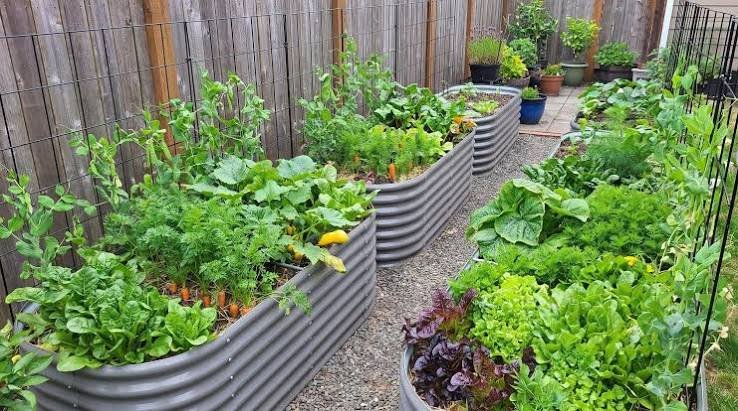
Galvanized steel raised garden beds are a practical choice for gardeners who want a sturdy structure without the maintenance associated with natural wood.
These beds typically feature metal panels coated with zinc to help resist corrosion. Many designs are modular, allowing you to create rectangular, oval, or other configurations depending on the kit.
Why choose galvanized steel?
- Durable construction for outdoor use.
- Resistant to rot and many common wood-related problems.
- Available in different heights, sizes, and colors.
- Easy to arrange into organized vegetable garden layouts.
- Suitable for growing tomatoes, peppers, leafy greens, beans, and herbs when filled with appropriate soil.
A galvanized steel bed is especially useful if you want a straightforward garden layout that can stay in place for several growing seasons.
Before purchasing, check the thickness of the metal, the quality of the fasteners, the finish, and whether the edges have protective trim. Thin panels can bend under pressure, particularly when the bed is large and filled with wet soil.
Metal can also heat up in direct sunlight. In hot climates, monitor soil moisture and consider the location carefully, especially when growing cool-season crops.
Best for: Gardeners looking for a durable, relatively low-maintenance vegetable garden.
2. Best Natural Option: Cedar Raised Garden Beds
Cedar raised garden beds are a favorite for gardeners who prefer the appearance of natural wood. Their warm color and simple design blend nicely into traditional gardens, patios, and backyard landscapes.
Cedar naturally resists decay and many insect problems, making it a useful choice for a structure that stays in contact with damp soil. Untreated cedar is particularly appealing for gardeners who want to avoid unnecessary wood preservatives around edible crops.
A rectangular cedar bed measuring approximately 4 feet wide is a practical starting point. This width allows most gardeners to reach the center from either side without stepping into the growing area.
Advantages of cedar raised beds:
- Natural appearance that suits most outdoor spaces.
- Easy to customize or repair.
- Naturally resistant to rot compared with many untreated softwoods.
- Available in simple DIY kits and larger garden configurations.
- Suitable for a wide range of vegetables and herbs.
The main drawback is cost. Cedar can be more expensive than basic lumber, and even naturally durable wood will eventually weather and deteriorate.
When shopping, check whether the lumber is untreated, how thick the boards are, and whether the corners have adequate support.
Best for: Gardeners who want a traditional wooden bed with a natural finish.
3. Best for Small Spaces: Compact Raised Garden Beds
You do not need a large yard to grow fresh vegetables. A compact raised garden bed can fit on a small patio, beside a house, or in a narrow backyard.
For limited spaces, look for a rectangular bed that is easy to reach from all sides. A bed around 2 feet wide can work particularly well when placed against a wall or railing.
You can grow plenty of useful crops in a small bed, including:
- Leaf lettuce and spinach.
- Radishes and green onions.
- Bush beans.
- Compact pepper varieties.
- Parsley, basil, and other culinary herbs.
Choose vegetables according to their mature size rather than how small the seedlings look at planting time. A single zucchini plant, for example, can occupy considerably more space than several lettuce plants.
If your garden will sit on a balcony, confirm the available space, drainage arrangements, and the balcony’s permitted load before filling a large container with wet soil. Soil and water can make a planter surprisingly heavy.
Best for: Apartment dwellers, renters, patio gardeners, and beginners.
4. Best Elevated Raised Garden Bed: A Planter That Reduces Bending
An elevated raised garden bed has legs or a supporting frame that brings the planting area closer to waist height. It can make routine gardening more comfortable for people who prefer not to kneel or bend repeatedly.
These planters are often narrower and shallower than ground-level beds, so their usable soil depth matters.
Before choosing an elevated model, consider the following:
- Planting depth: Look for enough room for the roots of your chosen vegetables.
- Drainage: The planter should have appropriate drainage holes and a way for excess water to escape.
- Weight capacity: The frame must support the planter, wet soil, and mature plants.
- Working height: Choose a height that feels comfortable for planting, pruning, and harvesting.
- Accessibility: Make sure you can reach the entire planting area without straining.
Elevated planters work well for lettuce, herbs, radishes, and many compact vegetable varieties. Deep-rooted vegetables may require a model with more soil depth.
Best for: Gardeners who want a more accessible planting height or have limited ground space.
5. Best Budget Option: DIY Wooden Raised Garden Beds
If you would rather spend money on seeds, compost, and soil than on a decorative planter, building your own raised bed may be the better option.
A basic rectangular frame is relatively simple to construct, and you can adjust its dimensions to suit your garden. Untreated cedar or another naturally durable wood is a sensible material to consider.
For a straightforward design, aim for a width that lets you reach the center comfortably. The length can be adjusted to fit your space, while a depth of around 10 to 12 inches is a reasonable starting point for many vegetables when the underlying soil is suitable.
Some crops, particularly longer-rooted varieties, benefit from additional depth.
When building your bed:
- Choose a level, sunny location.
- Use suitable untreated lumber.
- Secure the corners firmly.
- Add center supports to long sides when necessary.
- Leave the bottom open when placing the bed over suitable ground.
- Fill it with a quality growing mix and water thoroughly before planting.
Avoid railroad ties and wood with unknown preservative treatments around edible crops. If you are considering salvaged lumber, establish what it was used for before bringing it into your vegetable garden.
Best for: Budget-conscious gardeners who enjoy simple DIY projects.
6. Best for Long-Term Use: Composite Raised Garden Beds
Composite raised garden beds are made from combinations of materials, often wood fibers and recycled plastics. They offer an alternative for gardeners who want the appearance of a board-style bed without some of the maintenance associated with natural timber.
Depending on the product, composite materials may resist rot, moisture damage, and warping. They are available in a range of finishes, including styles that resemble traditional wood.
However, not every composite product is designed for direct contact with edible garden soil. Check the manufacturer’s specifications and intended use before buying.
Look for sturdy corner connections, clear assembly instructions, suitable outdoor ratings, and a warranty that explains what is covered.
Best for: Gardeners who prefer a low-maintenance bed with a consistent appearance.
How to Choose the Best Raised Garden Bed for Vegetables
Before you purchase a garden bed, take a few minutes to think about how you plan to use it. A bed that works beautifully for lettuce may not be the right choice for tomatoes, carrots, or sprawling squash.
Consider the Material
The material affects the bed’s appearance, maintenance needs, expected lifespan, and price.
| Material | Main advantage | Potential drawback |
|---|---|---|
| Cedar | Natural appearance and resistance to decay | Can cost more than basic lumber |
| Galvanized steel | Durable and relatively low maintenance | Can become warm in direct sun |
| Composite | Often resistant to rot and warping | Quality and food-garden suitability vary |
| Plastic or resin | Lightweight and easy to clean | Durability varies by product |
| Untreated budget lumber | Affordable and easy to customize | May deteriorate sooner |
There is no universally best material. The right choice is the one that suits your growing conditions, budget, and maintenance preferences.
Choose the Right Depth
Depth is one of the most important features to check before buying.
For many leafy greens and herbs, a moderately shallow bed can work well. Tomatoes, peppers, and other larger vegetables generally benefit from more soil volume, while longer-rooted crops such as carrots and parsnips need sufficient usable depth for their mature roots.
As a general starting point:
- 8–12 inches: Many leafy greens, herbs, and smaller vegetables.
- 12–18 inches: A versatile range for many home vegetable gardens.
- 18 inches or deeper: Useful for deeper-rooted crops, poor underlying soil, or gardens built over hard surfaces.
These are guidelines rather than strict rules. Root variety, soil conditions, and whether roots can extend into the ground below all affect the amount of depth needed.
Measure the Available Space
Measure the area before ordering a raised bed. Remember to leave room for walking, watering, harvesting, and moving garden supplies.
A bed that is approximately 4 feet wide is often convenient because you can reach the middle from either side. If the bed will sit against a fence or wall, make it narrower so the far side remains accessible.
For multiple beds, leave enough room between them to move comfortably with a watering can, hose, or wheelbarrow.
Check Drainage
Vegetables need consistent moisture, but their roots also need oxygen. A raised bed that stays waterlogged can lead to unhealthy roots and poor plant growth.
For beds placed directly on suitable ground, an open bottom generally allows excess water to drain naturally. If the bed sits on concrete or another hard surface, choose a design with suitable drainage openings and consider where the water will go.
A layer of gravel at the bottom is not a substitute for a properly designed drainage system. Focus on drainage holes, the underlying surface, and a growing medium that allows water to move through it.
Think About Sunlight
Most fruiting vegetables, including tomatoes, peppers, and cucumbers, grow best with plenty of direct sunlight. Aim for a location that receives approximately six to eight hours of direct sun