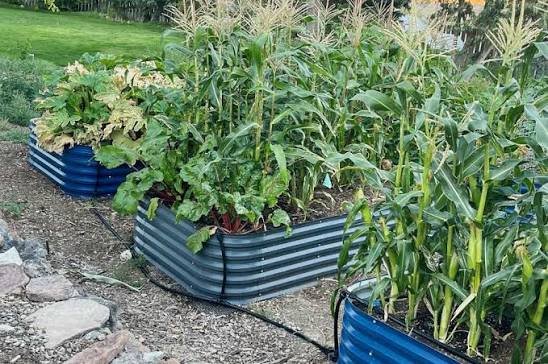
Choosing between cedar and metal raised garden beds can be tricky, especially when both options offer real benefits for growing vegetables at home. Cedar has a warm, natural appearance that fits beautifully into almost any garden, while metal raised beds offer a clean, modern look and are often praised for their durability and low maintenance.
So, which one is better for growing tomatoes, peppers, lettuce, carrots, and other favorite vegetables?
The answer depends on your budget, climate, garden layout, and how much maintenance you are willing to handle. Both cedar and metal raised garden beds can support a productive vegetable garden when they are properly designed, filled with suitable soil, and cared for throughout the growing season.
In this guide, we will compare cedar vs metal raised garden beds in terms of durability, cost, safety, drainage, appearance, and overall performance. By the end, you should have a clearer idea of which material makes the most sense for your garden.
Cedar vs Metal Raised Garden Beds: At a Glance
Before looking at the details, here is a quick comparison of the two materials.
| Feature | Cedar raised beds | Metal raised beds |
|---|---|---|
| Appearance | Natural and traditional | Modern and clean |
| Durability | Naturally resistant to decay | Often long-lasting when properly coated |
| Maintenance | May eventually need board replacement | Usually minimal, depending on finish |
| Initial cost | Varies; quality cedar can be expensive | Varies by metal thickness and design |
| Heat considerations | Usually less affected by direct solar heating | Exposed metal can become warm in sunlight |
| Customization | Easy to cut and modify | Depends on the kit and construction |
| Assembly | Simple for many DIY designs | Often requires panel and hardware assembly |
| Rot resistance | Naturally good for cedar | Metal does not rot, but may corrode |
| Best suited for | Traditional gardens and DIY projects | Modern gardens and low-maintenance layouts |
Neither material is automatically better in every situation. Construction quality, dimensions, installation, and the conditions in your garden can matter just as much as the material itself.
What Are Cedar Raised Garden Beds?
Cedar raised garden beds are built from cedar lumber, a wood valued for its natural resistance to decay and certain insect-related problems.
Cedar is a popular choice for gardeners who want a traditional wooden structure without relying on heavily treated lumber. Its natural color also blends nicely with grass, flower beds, stone paths, and other outdoor features.
You can purchase a ready-made cedar raised bed or build one yourself using boards and corner supports. This flexibility makes cedar appealing to gardeners who want to choose their own dimensions.
Benefits of Cedar Raised Garden Beds
1. A natural garden appearance
Cedar has a warm, organic look that suits traditional vegetable gardens. It can make a backyard growing space feel more inviting without drawing too much attention away from the plants.
2. Natural resistance to decay
Cedar generally holds up better against decay than many untreated, less durable woods. This makes it a useful material for structures exposed to outdoor weather and damp soil.
However, cedar is not rot-proof. Soil contact, persistent moisture, wood thickness, and local weather conditions can all affect its lifespan.
3. Easy to customize
One of cedar’s biggest advantages is how easy it is to work with. You can build a narrow bed for a small patio, a larger rectangular bed for tomatoes and peppers, or a custom design that fits an awkward corner of your yard.
If a board eventually deteriorates, individual sections can often be replaced without rebuilding the entire garden.
4. Less heat-related concern than exposed metal
Wood does not conduct and store heat in the same way as metal. Cedar can still become warm in direct sunlight, but it generally avoids some of the rapid surface heating associated with exposed metal panels.
This can be a useful consideration in gardens that receive intense afternoon sun.
Drawbacks of Cedar Raised Garden Beds
Cedar has a few disadvantages worth considering before you buy.
- Upfront cost: High-quality cedar lumber can be more expensive than basic construction lumber.
- Weathering: The wood’s color can fade or turn gray with exposure to sunlight and moisture.
- Eventual deterioration: Even naturally durable cedar will eventually break down, especially in persistently wet conditions.
- Wood quality varies: Thin boards and poorly constructed corners may fail sooner than thicker, well-supported designs.
If you choose cedar, look for untreated lumber intended for outdoor use, sturdy corner connections, and boards thick enough to support the weight of the soil.
For a vegetable garden, avoid lumber with unknown chemical treatments. If you want to apply a finish, choose one specifically suitable for the intended use and follow the manufacturer’s instructions.
What Are Metal Raised Garden Beds?
Metal raised garden beds are commonly made from galvanized steel, aluminum, or other metals designed for outdoor use. Galvanized steel is particularly common because its zinc coating helps protect the underlying steel from corrosion.
Metal beds are available in several styles, including simple rectangular frames, oval kits, tall modular systems, and decorative planters.
They are especially appealing to gardeners who prefer a modern design and want a structure that does not depend on wooden boards staying intact.
Benefits of Metal Raised Garden Beds
1. Durable construction
A well-made metal bed can remain useful for many growing seasons. Galvanized steel resists corrosion, although its performance depends on coating quality, panel thickness, soil conditions, and exposure to moisture.
Aluminum does not rust in the same way as iron-based metals, but it can still corrode under certain conditions.
2. Low maintenance
Metal does not rot, warp, or splinter like wood. This can reduce the amount of routine structural maintenance required.
You should still inspect the bed occasionally for loose fasteners, damaged coatings, sharp edges, or signs of corrosion.
3. A modern appearance
Metal raised beds work well in contemporary gardens, minimalist outdoor spaces, and organized vegetable plots. Many are available in neutral colors that complement patios and other outdoor features.
4. Convenient ready-made designs
Many metal beds come as kits with pre-cut panels and hardware. Depending on the model, assembly may be quicker than measuring and cutting lumber for a custom wooden bed.
Modular designs can also make it easier to create multiple beds with a consistent appearance.
Drawbacks of Metal Raised Garden Beds
Metal is practical, but it is not without limitations.
- Surface heating: Metal exposed to direct sunlight can become hot, particularly in warm climates.
- Quality differences: Thin panels may bend or deform if the bed is poorly designed or inadequately supported.
- Potential corrosion: Damaged coatings, unsuitable materials, or persistently wet conditions may lead to corrosion.
- Less flexibility for DIY modifications: Cutting or changing a metal kit may be more difficult than modifying a wooden frame.
- Sharp edges: Some products may have exposed edges that require protective trim or careful assembly.
When shopping, pay attention to the metal type, coating, panel thickness, edge protection, hardware, and warranty. A well-designed bed is generally a better investment than choosing solely by appearance or price.
Cedar vs Metal Raised Garden Beds: Which Lasts Longer?
Durability is one of the biggest reasons gardeners compare these two materials.
In general, a good-quality metal raised bed can last a long time without the rot-related deterioration associated with wood. Cedar, however, is naturally durable compared with many other untreated woods and can also provide years of service.
The actual lifespan of either material depends on its quality and environment.
Cedar may deteriorate faster when boards remain constantly wet or sit in poorly drained soil. Metal may corrode if its protective coating is damaged or if the material is not suited to the conditions.
To help either type last longer:
- Install the bed on a suitable, well-drained surface.
- Avoid unnecessary exposure to standing water.
- Use sturdy fasteners and sound construction.
- Inspect wooden boards and metal panels periodically.
- Follow the manufacturer’s care instructions.
Which is better? Metal often has the advantage when your main priority is minimizing maintenance related to rot. Cedar remains a strong choice if you prefer natural materials and are comfortable replacing boards when needed.
Which Is Better for Growing Vegetables?
Both cedar and metal raised beds can grow healthy vegetables. The material of the frame is usually less important than the growing conditions inside it.
Tomatoes, peppers, lettuce, beans, carrots, and herbs can all thrive in either type of bed if you provide appropriate soil depth, sunlight, watering, and spacing.
Soil Temperature
Metal can become warm in direct sunlight, and its surface temperature may rise considerably on hot days. This does not necessarily mean the soil throughout the bed will become too hot, since soil volume, moisture, shade, and ambient conditions also influence root-zone temperature.
Cedar generally conducts heat less readily than metal and may be preferable if you are concerned about hot exposed surfaces.
In either type of bed, use mulch where appropriate, monitor soil moisture, and provide suitable shade for crops that struggle in intense heat.
Drainage
Neither cedar nor metal automatically provides better drainage. Drainage depends mainly on the bed’s design, the underlying surface, and the growing medium.
An open-bottom bed placed on suitable ground allows water to drain into the soil below. A bed on concrete or another hard surface needs a suitable drainage arrangement.
Avoid filling your raised bed with heavy, compacted material that prevents water from moving through it.
Root Growth
Vegetable roots do not care whether the surrounding frame is wood or metal. They need enough soil volume, oxygen, moisture, and nutrients.
For many home gardens, a soil depth of around 10 to 12 inches is a reasonable starting point, although deeper-rooted crops may need more. If your bed sits on solid concrete, the full rooting depth must be provided within the planter.
Food-Growing Suitability
Both materials can be appropriate for edible gardens when you choose products intended for that use.
For cedar, untreated lumber is a straightforward choice. For metal, look for products designed for garden use and follow the manufacturer’s guidance about coatings and installation.
Avoid containers made from unknown industrial materials or reclaimed products with uncertain histories.
Cedar vs Metal Raised Garden Beds: Which Is Cheaper?
The cheaper option depends on the bed’s dimensions, the quality of its materials, and whether you are building it yourself.
A basic DIY wooden bed can be inexpensive, especially if you already have suitable tools. However, cedar lumber can cost considerably more than basic untreated construction lumber.
Metal raised beds also cover a wide price range. Simple kits may be affordable, while thick panels, decorative finishes, taller walls, and premium modular systems can cost more.
When comparing prices, consider the total cost rather than the frame alone.
Include:
- Lumber or metal panels.
- Corner supports, fasteners, and other hardware.
- Soil and compost.
- Delivery charges.
- Tools or assembly supplies.
- Any replacement boards or repairs that may eventually be needed.
A cheaper frame is not always the least expensive option over several years. At the same time, paying more for a premium product does not guarantee a better vegetable harvest.
Check current prices and specifications before buying, as they vary by retailer and location.
Which Raised Garden Bed Is Better for Hot Climates?
If your garden receives strong sunlight for much of the day, cedar may be appealing because its surface generally heats differently from exposed metal.
However, climate alone should not determine your decision. A metal bed with a suitable design and enough soil volume can still perform well in a hot climate.
The more important steps are to keep the root zone from drying out, select crops suited to your growing season, and position the bed where it receives the right amount of sunlight.
Consider these practical tips:
- Apply a suitable organic mulch to help conserve soil moisture.
- Water deeply when needed instead of allowing the soil to dry out completely.
- Monitor soil moisture during heat waves.
- Provide afternoon shade for heat-sensitive crops when appropriate.
- Choose a bed depth that gives roots enough room.
In cooler climates, a metal bed may warm up relatively quickly in spring, but this effect depends on the weather and bed design. Do not rely on the frame material alone to determine planting dates.
Which Is Easier to Install?
For many gardeners, a ready-made metal kit is straightforward to assemble. The panels and fasteners are usually supplied, although larger or taller beds may need extra care during installation.
Cedar beds are also easy to assemble, particularly when purchased as a kit. Building one from scratch requires measuring, cutting, and securing the boards, but it gives you more control over the dimensions.
Choose the installation method that matches your experience and available tools.
If you are a beginner, a small kit with clear instructions can make the process easier regardless of the material.
Before filling any bed, confirm that it is level, stable, and properly assembled. Soil is heavy, especially when wet, so do not assume that a decorative planter can safely support a large volume of growing medium.
Cedar vs Metal Raised Garden Beds: Pros and Cons
Cedar Raised Garden Beds
Pros
- Natural appearance.
- Naturally resistant to decay compared with many common untreated woods.
- Easy to cut, repair, and customize.
- Less prone to the rapid surface heating associated with exposed metal.
- Suitable for a wide variety of vegetables.
Cons
- Can be expensive when using high-quality cedar.
- Eventually deteriorates.
- May require occasional board replacement.
- Quality depends on lumber thickness and construction.
Metal Raised Garden Beds
Pros
- No wood rot.
- Often requires little structural maintenance.
- Available in modern and modular designs.
- Can provide a long service life when well made.
- Ready-made kits are widely available.
Cons
- Exposed surfaces can become hot.
- Thin panels may bend.
- Protective coatings can be damaged.
- Corrosion is possible.
- Some designs have sharp edges that need attention.
How to Choose the Right One for Your Garden
Before making a final decision, think about how you want your garden to look and how much maintenance you are comfortable with.
Choose cedar if you value a natural appearance, enjoy DIY projects, or want a frame that is easy to modify and repair.
Choose metal if you prefer a modern look, want to avoid wood rot, and are willing to check the quality of the panels and protective coating before purchasing.
If you are still unsure, start with the size and depth your vegetables need. Then compare cedar and metal options with similar dimensions, construction quality, and warranties.
This approach makes it easier to compare products fairly instead of choosing a frame based only on its appearance.
Final Verdict: Cedar or Metal Raised Garden Beds?
So, which is better: cedar or metal raised garden beds?
For gardeners who value natural materials, easy customization, and a traditional appearance, cedar is an excellent option. It offers natural resistance to decay and can be used to build everything from a small herb bed to a large backyard vegetable garden.
For gardeners who prioritize low maintenance, a modern appearance, and a structure that will not rot, metal is often the more practical choice. A well-made galvanized steel bed can serve a home vegetable garden for many seasons, provided its coating and construction are suitable for outdoor use.
Neither material guarantees better vegetables on its own. Good soil, adequate sunlight, appropriate watering, and healthy plant spacing will have a much greater effect on your harvest than whether the frame is made from cedar or metal.
Our recommendation: Choose cedar for its natural look and DIY flexibility, or choose a quality metal bed for its low-maintenance design. If you match the bed to your climate, budget, and growing space, either material can be a worthwhile investment in your vegetable garden.
Frequently Asked Questions
Is cedar safer than metal for growing vegetables?
Neither material is automatically safer in every situation. Untreated cedar lumber and metal products intended for garden use are common choices for edible gardens. Check the material specifications and avoid products with unknown chemical treatments or industrial histories.
Do metal raised garden beds make the soil too hot?
Not necessarily. Exposed metal can become hot in direct sunlight, but soil temperature also depends on bed depth, moisture, sunlight, and weather. Mulching and consistent watering can help manage soil conditions.
How long do cedar raised garden beds last?
Their lifespan varies with lumber quality, thickness, moisture exposure, drainage, and local weather. Cedar is naturally resistant to decay, but it is not rot-proof. Inspect the boards periodically and replace deteriorated sections when needed.
Do metal raised garden beds rust?
Galvanized steel is protected by a zinc coating that helps resist corrosion. However, damaged coatings and prolonged exposure to unsuitable conditions can lead to rust. Aluminum does not rust like steel, although it can still corrode.
Can I grow tomatoes in cedar or metal raised beds?
Yes. Both materials can support healthy tomato plants. Provide sufficient soil depth, full sun where practical, regular watering, and suitable cages or stakes for support.
Which material is better for a beginner?
Both are beginner-friendly. A ready-made cedar kit is a good choice if you like natural materials, while a simple metal kit can be convenient if you want a ready-made frame with minimal wood-related maintenance.
Are cedar raised garden beds worth the extra cost?
They can be worth the investment if you value natural wood, customization, and an attractive traditional design. Compare the upfront cost, expected maintenance, and quality of construction before deciding.