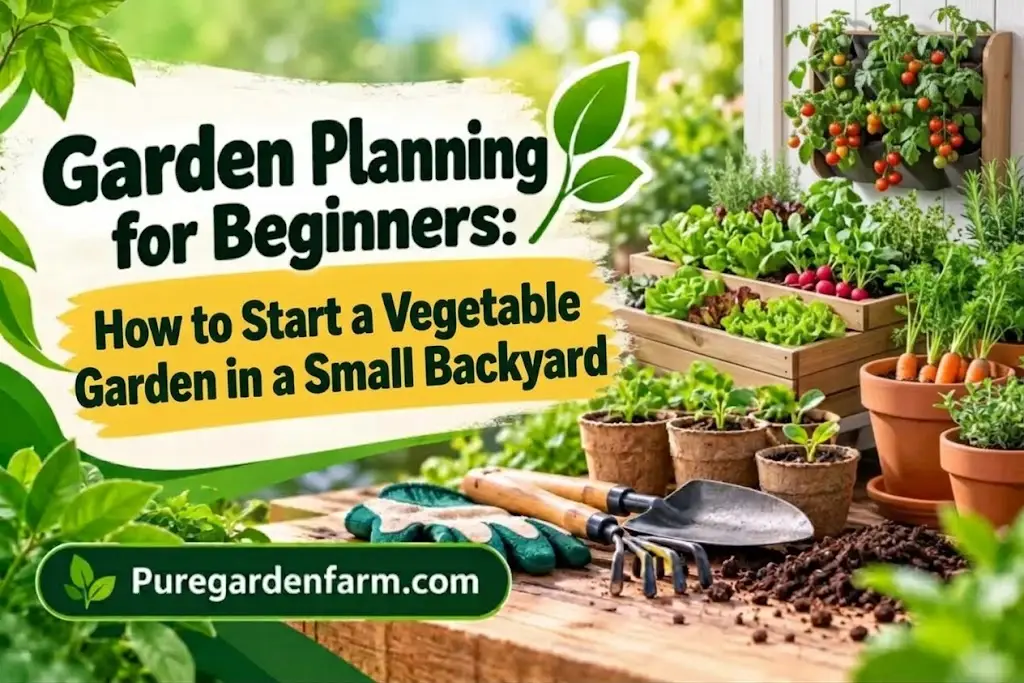
Starting a vegetable garden in a small backyard is easier than you might think. You do not need a large lawn, expensive equipment, or years of gardening experience to grow fresh vegetables at home. With a little planning, the right plants, and suitable growing containers, even a compact outdoor space can become a productive garden.
The key to successful small-space gardening is making the most of the sunlight, soil, and room you have available. Raised beds, containers, vertical supports, and compact vegetable varieties can help you grow more food without overcrowding your backyard.
In this guide, you will learn how to start a vegetable garden in a small backyard, choose the best vegetables, prepare your growing space, and maintain healthy plants throughout the season.
1. Choose the Best Location for Your Vegetable Garden
The first step is finding a suitable location. Most vegetables need sunlight, water, and healthy soil to grow well, so choosing the right spot can make a big difference.
Walk around your backyard and observe how sunlight moves throughout the day. A sunny patio, an open corner, or a narrow strip beside a fence may provide enough room for a productive garden.
Check Sunlight
Different vegetables have different light requirements.
- Full-sun vegetables: Tomatoes, peppers, cucumbers, beans, and zucchini generally grow best with around six to eight hours of direct sunlight daily.
- Partial-shade vegetables: Lettuce, spinach, and some other leafy greens can tolerate less sunlight, especially in hot climates.
- Root vegetables: Radishes and carrots generally perform best with several hours of sunlight and suitable soil.
If your backyard receives limited sunlight, begin with leafy greens and experiment with varieties suited to partial shade.
Choose a Convenient Spot
Place your garden somewhere you can easily reach for watering, weeding, and harvesting. A garden near a water source can save time and make regular care much easier.
Avoid locations where water collects after rain or where nearby buildings and trees create excessive shade.
2. Decide How Much Space You Have
You do not need to use your entire backyard to grow vegetables. Start by measuring the available area and deciding how much time you can spend caring for it.
A small garden might fit into a corner of the yard, along a fence, on a patio, or in a few containers beside your home.
Consider these space-saving options:
| Garden Type | Best For | Main Advantage |
|---|---|---|
| Raised beds | Small yards with available ground space | Organized planting and manageable soil |
| Containers | Patios, balconies, and paved areas | Flexible placement |
| Vertical gardening | Narrow spaces near fences or walls | Uses upward space |
| Hanging planters | Herbs and selected compact crops | Frees up ground space |
| Window boxes | Lettuce, herbs, and small greens | Fits narrow outdoor areas |
Choose one method that suits your space and budget. You can always expand later as you gain experience.
3. Choose Easy Vegetables for Beginners
When starting a small backyard garden, choose vegetables that are relatively easy to grow and fit your available space. Growing a few reliable crops is often more rewarding than planting too many varieties at once.
Best Vegetables for a Small Backyard
Lettuce: Grows well in containers and small beds. Harvesting individual outer leaves can extend production.
Radishes: Grow quickly in loose soil and take up relatively little space.
Green onions: Their upright growth makes them useful for narrow beds and containers.
Bush beans: Produce edible pods without usually needing a trellis.
Cherry tomatoes: Can produce a generous harvest in containers when given enough sunlight, water, and support.
Peppers: Compact varieties can grow well in pots or raised beds during warm weather.
Spinach: A useful leafy crop for cool seasons and suitable partially shaded locations.
Carrots: Grow well in containers or raised beds with enough depth and loose soil.
Cucumbers: Climbing varieties can be trained up a sturdy trellis to save ground space.
Herbs: Basil, parsley, chives, and cilantro can fit into small containers or spaces between larger plants when their growing requirements are compatible.
Start With Three to Five Crops
For your first garden, consider planting lettuce, radishes, bush beans, and one cherry tomato plant if you have enough sunlight. This gives you a manageable mix of leafy vegetables, root crops, and fruiting plants.
Choose crops based on your local growing season. Tomatoes and beans need warm weather, while lettuce and spinach usually perform better during cooler periods.
4. Choose Between Raised Beds and Containers
Raised beds and containers are two practical ways to grow vegetables in a small backyard.
Growing Vegetables in Raised Beds
Raised beds create a defined growing area and make it easier to manage soil quality. They are especially useful when your existing soil is compacted, rocky, or unsuitable for vegetables.
A small raised bed can accommodate several compact crops when you follow appropriate plant spacing.
Before building one, consider sunlight, drainage, access, and the depth required for your chosen vegetables.
Growing Vegetables in Containers
Containers are ideal for paved yards, patios, and other areas where you cannot plant directly in the ground.
Choose pots with drainage holes and enough room for the plants’ roots. Small pots dry out faster than larger containers, so check their moisture levels regularly.
Here are some general container guidelines:
| Vegetable | Suggested Container Size |
|---|---|
| Lettuce | A shallow container about 6–8 inches deep |
| Radishes | A container about 6–8 inches deep |
| Green onions | A container about 6–8 inches deep |
| Carrots | A container deep enough for the selected variety’s mature roots |
| Peppers | Often a 3–5 gallon container or larger |
| Cherry tomatoes | Often a 5 gallon container or larger |
| Cucumbers | A roomy container with a sturdy trellis |
These are starting points, not strict rules. Larger plants and varieties may need more space, and deeper containers are often beneficial for root development.
5. Prepare Healthy Soil
Good soil helps vegetable roots access the water, air, and nutrients they need. Before planting, assess the soil in your backyard or choose a suitable growing mix for containers and raised beds.
Improve Existing Garden Soil
If you are planting directly in the ground, loosen compacted soil where appropriate and remove large stones and persistent weeds. A soil test can help identify pH problems and nutrient deficiencies.
Mixing in mature compost can improve soil structure, but the amount needed depends on the condition of the existing soil.
Use a Suitable Mix for Raised Beds
Raised beds benefit from a well-drained growing mix that contains suitable topsoil and organic matter. Avoid filling the entire bed with pure compost because it may not provide the right balance of structure and nutrients.
Choose Quality Potting Mix for Containers
Use a potting mix designed for container gardening rather than ordinary garden soil alone. Garden soil can become compacted in pots and may drain poorly.
Beginner tip: Make sure every container has drainage holes, and never allow the roots to sit in standing water for extended periods.
6. Plan Your Garden Layout
A simple garden plan helps you use limited space efficiently and prevents overcrowding.
Draw a quick sketch of your backyard or raised bed. Mark sunny areas, paths, fences, and places where you can easily water plants.
Then arrange vegetables according to their mature size and growing habits.
Use Vertical Space
Vertical gardening is one of the best ways to grow more vegetables in a small backyard.
You can train climbing cucumbers, pole beans, and certain tomatoes on suitable supports. Attach trellises securely and make sure they can handle the weight of mature plants and wet foliage.
Keep taller plants positioned so they do not unnecessarily shade smaller vegetables.
Grow Compact Varieties
Look for words such as patio, bush, compact, or container in seed catalogs and plant labels. These varieties may be better suited to small gardens than sprawling types.
Use Succession Planting
Succession planting means sowing small batches of a crop at different times to spread out the harvest.
For example, you can sow radishes or lettuce at intervals during their suitable growing season instead of planting all the seeds on one day.
This technique helps you use the same small area more productively.
7. Plant Your Vegetables at the Right Time
Timing matters because vegetables have different temperature and seasonal requirements.
Cool-season vegetables such as lettuce, spinach, radishes, and peas generally grow best during cooler weather. Warm-season vegetables such as tomatoes, peppers, cucumbers, and beans need warmer conditions.
Check Your Local Planting Calendar
If you live in the United States, use your local expected frost dates and regional planting recommendations to decide when to sow seeds or transplant seedlings.
USDA hardiness zones are helpful for understanding winter conditions for perennial plants, but they do not determine every vegetable’s planting date.
Follow Seed Packet Instructions
Seed packets usually provide information about:
- Planting depth
- Seed spacing
- Row spacing
- Germination time
- Days to maturity
- Recommended growing conditions
Read the instructions before planting, since requirements vary between varieties.
Sow Seeds or Buy Seedlings
Direct sowing works well for crops such as carrots, radishes, beans, and peas. Other vegetables, including tomatoes and peppers, are often started indoors or purchased as nursery seedlings.
For a beginner, buying a few healthy seedlings can make the first garden simpler and faster to establish.
8. Water Your Garden Properly
Watering is one of the most important parts of vegetable gardening. Small containers and raised beds may dry out more quickly than the surrounding ground, especially during warm, windy weather.
How to Water Vegetables
- Check the soil before watering.
- Water near the base of plants when possible.
- Water thoroughly enough to moisten the root zone.
- Adjust watering during hot, dry, or rainy weather.
- Make sure excess water can drain away.
Avoid following a rigid daily schedule without checking soil moisture. A large raised bed and a small pot may need water at very different intervals.
Add Mulch When Appropriate
A layer of suitable organic mulch can reduce moisture loss, moderate soil temperature, and suppress some weeds.
Keep mulch slightly away from plant stems to reduce the risk of stem problems and excessive moisture around the base.
9. Feed Your Plants and Control Weeds
Vegetables need nutrients to produce healthy leaves, roots, flowers, and fruits. However, too much fertilizer can cause problems, including excessive leafy growth or nutrient imbalances.
Use a soil test where possible and follow the directions for any fertilizer you apply. Container vegetables may need regular feeding because nutrients can be depleted through watering.
Keep Weeds Under Control
Remove weeds while they are small so they do not compete with vegetables for water, light, and nutrients.
In a small garden, checking the bed a few times each week can prevent weeds from becoming difficult to manage.
Inspect Plants for Pests
Look for holes in leaves, discolored foliage, sticky residue, and other signs of damage.
Identify the pest before choosing a treatment. Hand-picking larger pests, using physical barriers, and encouraging beneficial insects may help with certain problems. If you use a pesticide, select one labeled for the crop and pest, and follow all label instructions.
10. Harvest Vegetables at the Right Time
Harvesting at the right stage helps you enjoy vegetables at their best and may encourage continued production.
- Lettuce: Pick outer leaves when they reach a useful size.
- Radishes: Harvest when roots reach the size recommended for the variety.
- Green beans: Pick pods while they are young and tender.
- Cherry tomatoes: Harvest when fruits develop their mature color and ripeness.
- Cucumbers: Pick fruits at the size recommended for the variety.
- Herbs: Harvest small amounts regularly without removing too much foliage at once.
Check plants frequently during the main growing season. Some vegetables mature quickly, and regular harvesting helps prevent crops from becoming overgrown.
Common Mistakes to Avoid in a Small Backyard Vegetable Garden
New gardeners often face similar challenges. Avoiding these mistakes can make your first growing season easier.
Planting Too Many Vegetables
It is tempting to grow every vegetable you enjoy, but too many plants can overcrowd a small area. Start with a few crops and expand when you understand their space requirements.
Ignoring Sunlight
Tomatoes, peppers, and many other fruiting vegetables may produce poorly in deep shade. Match your crop selection to the light available in your backyard.
Overwatering
Constantly wet soil can damage roots and encourage disease. Check moisture regularly and make sure containers drain properly.
Using Containers That Are Too Small
Small pots can restrict roots and dry out quickly. Choose containers based on the mature size of each vegetable.
Forgetting Plant Spacing
Seedlings may look small at first, but mature plants need room to grow. Follow the recommended spacing rather than squeezing extra plants into every available gap.
Planting at the Wrong Time
Cool-season crops may struggle during hot weather, while warm-season crops can be damaged by cold conditions. Check local planting dates and seasonal temperatures.
Frequently Asked Questions
How do I start a vegetable garden in a small backyard?
Choose a sunny location, select a few easy vegetables, prepare suitable soil, and decide whether to use raised beds or containers. Plant according to local seasonal recommendations, water consistently, and monitor your plants as they grow.
What vegetables are easiest to grow in a small backyard?
Lettuce, radishes, green onions, bush beans, and compact cherry tomatoes are good options for many beginners. The best choices depend on your climate, sunlight, and available space.
How much space do I need for a small vegetable garden?
You can grow vegetables in just a few containers or a small raised bed. Even a compact patio can support herbs, leafy greens, radishes, and certain fruiting vegetables if you provide suitable growing conditions.
Can I grow vegetables in my backyard without digging?
Yes. Raised beds and containers let you grow vegetables without digging into the existing ground. They are especially useful for patios, compact yards, and areas with poor native soil.
How much sunlight does a small vegetable garden need?
Many fruiting vegetables need around six to eight hours of direct sunlight daily. Leafy greens can tolerate partial shade, although their growth may be slower with less light.
Is a raised bed or container better for beginners?
Both can work well. Raised beds provide a larger shared growing area, while containers are flexible and useful on paved surfaces. Choose the option that fits your space, budget, and watering routine.
How often should I water a small vegetable garden?
Water when the soil begins to dry at the root level. The frequency depends on plant type, container size, temperature, wind, and rainfall. Check the soil instead of relying on a fixed schedule.
Conclusion
Learning how to start a vegetable garden in a small backyard does not require a large space or advanced gardening skills. By choosing the right location, growing a few beginner-friendly vegetables, preparing healthy soil, and using raised beds or containers, you can create a productive garden in even a compact outdoor area.
Start small, pay attention to sunlight and watering, and choose vegetables that suit your local growing season. As you gain confidence, try vertical gardening, succession planting, and compact varieties to make better use of your available space.
With a little planning and regular care, your small backyard can provide fresh vegetables and a rewarding gardening experience throughout the growing season.
Visit PureGardenFarm.com for more practical gardening guides, seasonal planting advice, and ideas for growing vegetables at home.