What to Plant in April: U.S. Gardening Guide
Meta Title: What to Plant in April: Best U.S. Garden Crops
Meta Description: Discover what to plant in April across the U.S., including vegetables, herbs, flowers, seeds, trees, and zone-based spring gardening tips.
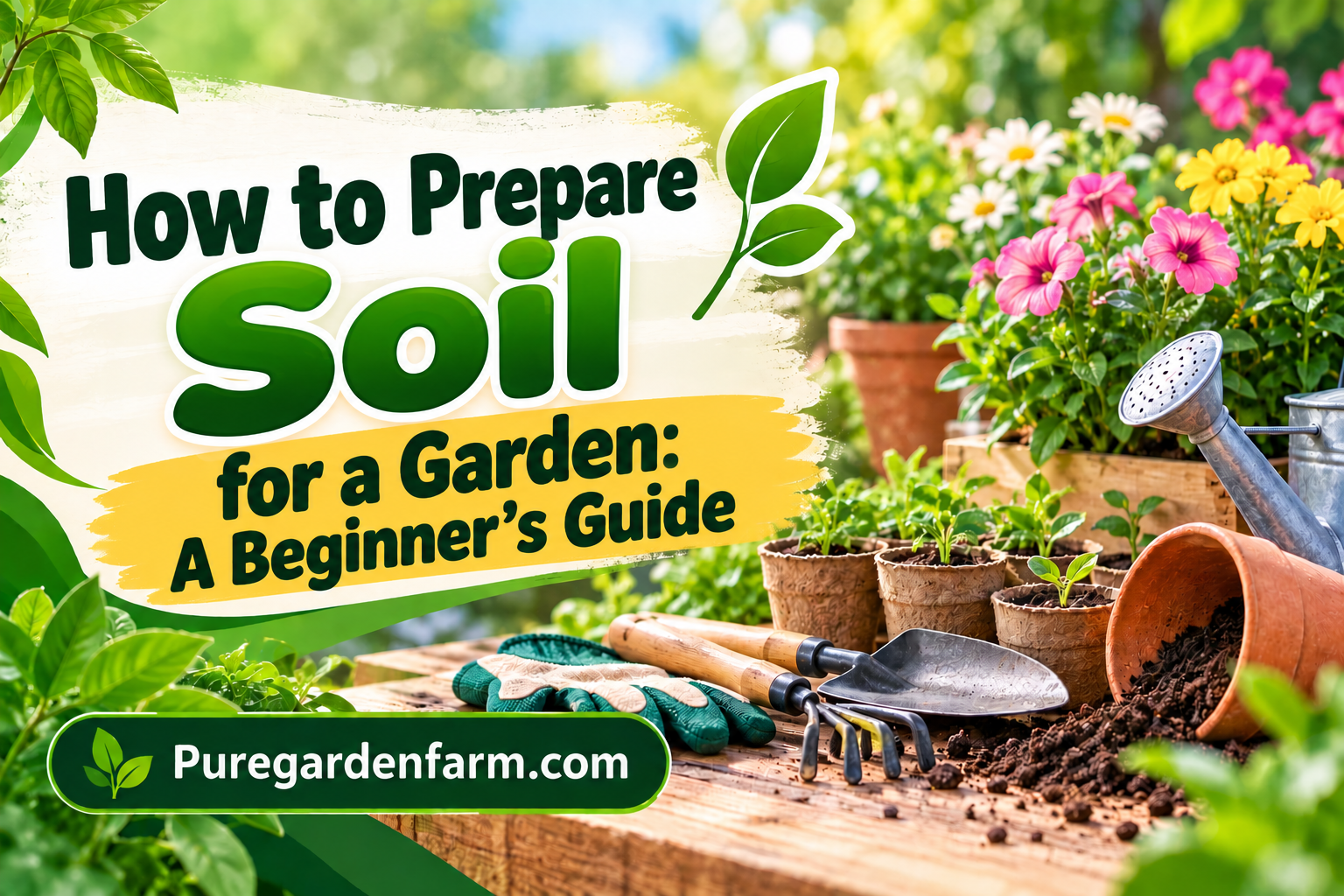
Feature Image Prompt: Realistic American spring backyard garden in April with raised beds, lettuce, peas, carrots, potatoes, seedlings, spring flowers, gardening tools, and fresh soil.
Alt Text: Spring garden with vegetables, flowers, seedlings, and raised beds in April
Caption: April is a busy planting month across much of the United States.
Description:
April brings one of the busiest planting windows of the year for U.S. gardeners.
This guide covers vegetables, herbs, flowers, seeds, trees, and regional planting tips.
You’ll also learn what to plant now and what should wait for warmer weather.
Introduction
If you’re wondering what to plant in April, start with your local frost date and growing zone. April is a major planting month in many parts of the United States, but not every crop belongs in the ground yet.
Cool-season vegetables can often go in early, while warm-season crops need warmer soil. This guide explains what to plant, what to start indoors, and when to wait.
Quick Answer
What to plant in April depends on your location. Peas, spinach, lettuce, carrots, beets, radishes, potatoes, onions, and other cool-season crops are common April choices, while tomatoes, peppers, cucumbers, squash, and melons usually need warmer conditions.
TL;DR
- Plant cool-season vegetables early in April.
- Check your local last frost date first.
- Start warm-season crops indoors where useful.
- Plant tender crops after frost danger passes.
- April is excellent for many herbs and flowers.
- Use soil temperature for warm-season crops.
- Protect young plants from late frosts.
What to Plant in April by U.S. Region
April looks different across the United States. Southern gardens may already be planting warm-season crops, while northern gardens are just starting spring vegetables.
Your USDA hardiness zone gives useful background, but local frost dates and soil conditions matter more for exact timing. The Old Farmer’s Almanac also bases planting calendars on local frost timing and location.
- Northern states: Focus on peas, spinach, lettuce, carrots, and other cool crops.
- Midwestern states: Plant cool-season crops as soil becomes workable.
- Northeastern states: Start hardy vegetables and prepare warm-season seedlings.
- Southern states: Plant a wider range of vegetables during April.
- Southwestern states: Use local heat and elevation guidance.
- Pacific Northwest: Continue cool-season planting where soil allows.
- California: Follow local coastal, inland, or desert planting calendars.
- Florida and warm Gulf areas: Many warm-season crops can already be active.
Vegetables to Plant in April
April is one of the best months for vegetable gardening in many U.S. regions. Cool-season vegetables can often be planted before summer heat arrives.
Penn State Extension recommends April planting for crops including potatoes, peas, beets, turnips, radishes, carrots, spinach, and leafy greens in its regional guidance.
- Peas — Plant while temperatures remain cool.
- Spinach — Start early before summer heat causes bolting.
- Lettuce — Sow successive crops for longer harvests.
- Carrots — Direct-sow into loose soil.
- Radishes — Fast-growing and useful for spring gardens.
- Beets — Direct-sow into prepared beds.
- Turnips — Suitable for cool spring conditions.
- Potatoes — Plant seed potatoes during the appropriate local window.
- Broccoli — Use transplants where regional timing allows.
- Cabbage — Spring transplants work well in suitable climates.
- Chard — Handles cool spring weather.
- Onions — Sets and transplants can fit April schedules.
Best Vegetables to Start From Seed in April
Many vegetables perform better when directly sown into the garden. Root crops are especially suited to direct seeding because transplanting can distort developing roots.
Penn State notes that carrots, beets, radishes, parsnips, rutabagas, and turnips are generally better direct-seeded than transplanted.
- Carrots need loose soil for straight roots.
- Radishes mature quickly in cool conditions.
- Beets can be sown directly into prepared beds.
- Spinach benefits from an early spring planting.
- Leaf lettuce can be succession-sown.
- Peas prefer cool temperatures.
- Turnips grow well during cool weather.
- Parsnips need a longer growing season.
- Swiss chard can be direct-sown or transplanted.
- Mustard greens are useful for cool spring gardens.
Warm-Season Vegetables to Start in April
April is also a good month to prepare for summer crops. In colder regions, gardeners often start warm-season vegetables indoors rather than planting them outside immediately.
Tomatoes, peppers, eggplant, cucumbers, squash, and melons are sensitive to cold. Illinois Extension notes that very tender crops should wait for warmer conditions because cold soil can slow growth and frost can severely damage plants.
- Tomatoes can be started indoors in cooler regions.
- Peppers benefit from an early indoor start.
- Eggplant needs warm growing conditions.
- Cucumbers can be started indoors or direct-sown later.
- Squash grows quickly once soil warms.
- Melons need warm soil and a long season.
- Pumpkins should wait for suitable outdoor conditions.
- Basil prefers warm conditions.
- Corn generally belongs later in colder areas.
- Beans should wait until frost danger has passed.
What to Plant in USDA Zones 3–5
Cold-climate gardeners should treat early April differently from gardeners farther south. Soil may remain cold, and late frosts can still threaten young plants.
Cool-season crops are usually the safest starting point. Warm-season vegetables can be started indoors while outdoor beds warm.
- Plant peas when soil and weather allow.
- Start spinach and lettuce outdoors.
- Sow carrots and radishes in workable soil.
- Plant potatoes during the local window.
- Start tomatoes indoors if needed.
- Start peppers indoors for a long growing season.
- Harden indoor seedlings before transplanting.
- Protect young plants from late freezes.
What to Plant in USDA Zones 6–7
Zones 6–7 often have a productive April planting window. Cool-season vegetables can go outside early, while warm-season crops depend on the local frost date.
Some areas can begin transitioning toward summer crops later in April. Avoid rushing tender plants into cold soil.
- Plant peas early in the month.
- Sow carrots and beets.
- Plant lettuce and spinach.
- Grow radishes for quick harvests.
- Plant potatoes during the regional window.
- Transplant broccoli and cabbage when appropriate.
- Start cucumbers and squash indoors if useful.
- Wait for warmer soil before planting tomatoes.
What to Plant in USDA Zones 8–10
Warmer zones can usually plant a broader range of vegetables in April. Some locations may already be transitioning from cool-season crops toward summer crops.
Local weather still matters. A high elevation or unusually cool spring can shift planting dates.
- Plant beans after frost danger.
- Grow cucumbers in warm soil.
- Plant squash when temperatures are suitable.
- Continue lettuce in cooler locations.
- Plant carrots where conditions allow.
- Grow beets during the remaining cool period.
- Transplant tomatoes after suitable weather.
- Plant peppers once temperatures are consistently warm.
- Start melons when the growing season permits.
- Use local extension calendars for exact timing.
Herbs to Plant in April
April is an excellent month for many herbs. The best choices depend on your climate and whether you are planting seeds or transplants.
Cold regions may still need indoor protection for tender herbs. Warm regions can move more herbs outdoors as temperatures rise.
- Parsley grows well during cool spring weather.
- Cilantro prefers cooler temperatures.
- Chives can tolerate cool conditions.
- Dill works well from direct seed.
- Cilantro can be succession-sown.
- Mint grows well in containers.
- Thyme prefers well-drained soil.
- Rosemary needs good drainage and sunlight.
- Oregano likes warm, sunny conditions.
- Basil should wait for warm conditions outdoors.
Flowers to Plant in April
April is a major flower-planting month in many parts of the country. Cool-season flowers can go out earlier, while tender annuals need warmer weather.
Penn State’s April guidance includes pansies, forget-me-nots, foxglove, sweet peas, bachelor’s buttons, and larkspur among suitable spring options for its region.
- Pansies provide color during cool weather.
- Violas tolerate cool spring conditions.
- Snapdragons suit many spring gardens.
- Sweet peas prefer cooler weather.
- Bachelor’s buttons can be started from seed.
- Larkspur can be direct-sown where suitable.
- Calendula works well in many cool climates.
- Zinnias should wait for warmer conditions.
- Cosmos prefer warmer spring weather.
- Marigolds are best planted after frost danger.
Trees, Shrubs, and Perennials to Plant in April
April can be an excellent time to establish trees, shrubs, and perennial plants. The exact timing depends on local climate and the plant’s condition.
Penn State recommends planting roses, trees, and shrubs during April in its regional garden guidance.
Planting during suitable spring weather gives roots time to establish before summer heat.
- Choose plants suited to your growing zone.
- Check the mature size before planting.
- Match plants to available sunlight.
- Improve drainage rather than keeping roots wet.
- Water newly planted trees as needed.
- Mulch around roots without touching trunks.
- Avoid planting into saturated soil.
- Follow nursery instructions for planting depth.
- Consider native plants suited to your region.
- Protect new plants during unusual cold.
What Seeds to Start Indoors in April
April indoor seed starting depends on your expected outdoor transplant date. Starting seeds too early can create large, stressed seedlings before the weather is ready.
Use seed packets and local planting calendars to determine timing. Illinois Extension, for example, recommends different indoor starting windows for crops such as okra, cucumber, melons, pumpkin, squash, and flowers.
- Start cucumbers indoors when an early start helps.
- Start squash only a few weeks before transplanting.
- Start melons when your season requires it.
- Start pumpkins for an earlier harvest.
- Start zinnias during the appropriate spring window.
- Start tender herbs indoors.
- Give seedlings strong light.
- Avoid keeping seed-starting mix constantly wet.
- Harden seedlings before outdoor planting.
What Not to Plant Outside Too Early
Not every April day is warm enough for summer vegetables. A warm afternoon does not mean the soil has reached the temperature tender plants need.
Very tender crops such as tomatoes, peppers, cucumbers, squash, pumpkins, and watermelons can suffer when exposed to frost or cold soil.
- Don’t plant tomatoes before your local frost window.
- Don’t rush peppers into cold soil.
- Don’t plant cucumbers before suitable temperatures.
- Don’t expose squash to freezing weather.
- Don’t plant melons during cold conditions.
- Don’t assume one warm week means summer has arrived.
- Don’t ignore the weather forecast.
- Don’t use the calendar alone to choose planting dates.
April Soil Preparation and Garden Care
Good April planting starts with good soil preparation. Garden beds should be workable before you dig, plant, or cultivate.
Avoid working soil when it is wet enough to smear or compact. Illinois Extension also emphasizes making informed soil fertility decisions before preparing vegetable beds.
- Test soil when needed.
- Add amendments based on actual soil needs.
- Break up compacted areas carefully.
- Improve drainage where necessary.
- Remove weeds before planting.
- Add suitable compost when appropriate.
- Keep garden beds accessible for watering.
- Avoid walking repeatedly on wet soil.
- Prepare supports before plants become large.
- Mulch after soil has warmed appropriately.
April Frost Protection Tips
Late frosts remain a major concern in many U.S. gardens. Young transplants can be damaged even after several warm days.
Keep frost protection materials ready when planting early. Check the forecast before exposing tender plants to outdoor conditions.
- Cover vulnerable plants before a freeze.
- Use suitable row covers or plant protection.
- Protect newly transplanted vegetables.
- Move small containers indoors when appropriate.
- Remove covers when temperatures improve.
- Avoid letting protective material crush plants.
- Check plants after frost events.
- Delay tender planting when severe cold is expected.
Common April Planting Mistakes
April gives gardeners many opportunities, but rushing the season can cause unnecessary losses. The most common mistake is planting warm-season crops before local conditions are ready.
A better approach is to plant cool-season crops first and gradually transition toward summer vegetables.
- Don’t follow another state’s planting calendar.
- Don’t ignore your local frost date.
- Don’t plant into cold, wet soil.
- Don’t start every seed indoors too early.
- Don’t transplant seedlings without hardening them.
- Don’t assume April means frost-free weather.
- Don’t overwater newly planted seeds.
- Don’t crowd young seedlings.
- Don’t forget succession planting.
- Don’t plant tender crops before soil warms.
FAQs
What vegetables are best to plant in April?
Popular April choices include peas, spinach, lettuce, carrots, radishes, beets, potatoes, turnips, broccoli, cabbage, and onions. The exact list depends on your local climate and frost dates.
Can I plant tomatoes in April?
You may be able to plant tomatoes outdoors in warmer regions after frost danger has passed. In colder regions, April is often better for growing tomato seedlings indoors.
Can I plant potatoes in April?
Yes. Potatoes have April planting windows in many regions, although the exact timing varies by climate. Illinois Extension, for example, lists April potato windows that differ between northern, central, and southern areas.
What flowers can I plant in April?
Pansies, violas, snapdragons, sweet peas, bachelor’s buttons, larkspur, and other spring flowers can work depending on your climate. Tender annuals should wait until frost danger has passed.
Is April too early for a vegetable garden?
No. April is one of the busiest vegetable-planting months in many parts of the United States. Start with crops that tolerate your current soil and weather conditions.
What seeds should I start indoors in April?
Cucumbers, squash, melons, pumpkins, selected herbs, and flowers may be started indoors during April when your local transplant schedule supports it. Avoid starting crops too early.
Should I plant according to my USDA zone?
Use your USDA zone as a useful starting point, but don’t rely on it alone. Local frost dates, weather, soil conditions, and the specific crop should guide the final decision.
Conclusion
Helpful internal resources: What to Plant in March · What to Plant in May · Gardening Calendar by Month · USDA Gardening Zones · Spring Gardening Tips
Trusted gardening resources: USDA Plant Hardiness Zone Map · University of Minnesota vegetable gardening guide · Oregon State University soil and compost resources · Penn State soil fertility guide · EPA composting at home guide
What to plant in April depends on where you garden and how quickly spring is warming. Cool-season crops such as peas, spinach, lettuce, carrots, radishes, beets, and potatoes can fit many April planting schedules.
Warm-season vegetables need more patience. Check your local frost date, watch soil conditions, and move tender plants outdoors only when temperatures are suitable. A zone-aware April plan can give your garden a much stronger start to summer.